

Supplement scams are multiplying fast, and many shoppers don’t spot them until their cash is gone and their energy levels haven’t budged. One recent example involves products claiming to contain Ecklonia cava, yet if you try to view findings, there are no detectable bioactives at all, according to recent reports. I’ve seen friends fall for bogus bottles with pretty labels and bold promises, so you’re far from alone if you’ve ever felt unsure about what’s safe. Here’s how you can protect your health and wallet from those supplement scams.
Bold Claims, Empty Bottles
Fake supplements often promise superpowered benefits, but the ingredients don’t match the label. Some brands mask cheap fillers behind glossy packaging. Consumers assume they’re getting something potent, then wonder why nothing happens. Scams spread quickly because many shoppers want fast fixes. Dishonest companies know this and take advantage of the rush. They flood online marketplaces with products that look professional at first glance. By the time customers realize they’ve been tricked, the seller has vanished into thin air.
Suspicious Supplement Behaviors
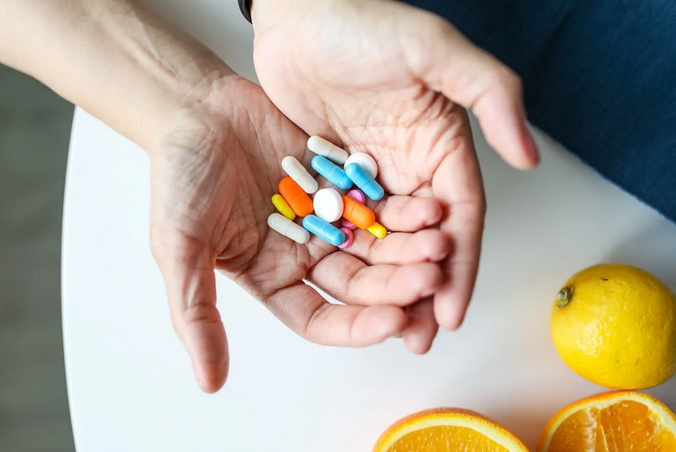
One red flag is a supplement that claims instant results. Health doesn’t work like a magic light switch. If something sounds too good to be true, trust that instinct. Another clue is inconsistent labeling or vague descriptions. Customer reviews can be helpful, but some are bought or copied. Pay attention to patterns, not just star ratings. Repetition, broken English, or oddly specific praise could signal a fake. Authentic reviews often mention small details and balanced experiences.
Inadequate Testing
Third-party testing is one of the best shields you have. It confirms what’s actually inside the bottle. Reputable companies willingly share testing results because they have nothing to hide. If a brand dodges verification questions, that’s a warning sign. Recent reports about Ecklonia cava supplements showed huge gaps between claims and reality. Some products contained zero active compounds. That’s alarming for anyone spending hard-earned money expecting real support. Independent labs expose these issues so consumers don’t walk into traps.
Smart Habits That Protect Your Wallet

Buying directly from brand websites or trusted retailers is safer than random online shops. These sources have more quality controls in place. Your wallet stays safer when you avoid chasing miracle claims or unusual “limited-time formulas.” Those tricks are there to push you into buying before you can think. Reading labels slowly helps, too. Look for clear ingredient amounts, specific plant parts, and manufacturing information. If everything looks vague or overly flashy, step back. This small habit can save cash and stress in the long run.
Ways to Make Health Choices With Confidence
The supplement market can feel like a maze, but you have more power than those scammers hope. You don’t need perfect expertise—just steady awareness and a sense of curiosity. Asking simple questions like “Who tested this?” goes further than you’d expect. Scammers only thrive when people stop asking. Your health deserves better than empty claims and mystery powders. Reliable brands exist, and they’re proud of real science, real transparency, and real ingredients. If you stay alert, trust your instincts, and question anything that seems off, you’ll stay steps ahead of shady sellers. Occasionally, you might even save a friend from falling for the next gimmick—kind of like returning a wallet someone dropped on the street.


 To promote healthy teeth and gums, it’s important to limit sugary snacks and beverages. Eating excessive amounts of sugar basically exposes your teeth to higher risks of tooth decay and cavities. Instead, opt for nutritious alternatives like fruits, vegetables, whole grains, lean proteins, and dairy products. Including crunchy foods like apples or carrots in your family’s diet can help stimulate saliva production and naturally cleanse the teeth. Additionally, incorporating calcium-rich foods such as cheese or yogurt can strengthen tooth enamel.
 This leads to major dosing problems. Understanding how many mg of CBD is contained in a bottle is not enough. The more concentrated the box or milliliters are, the less your cat or dog needs to reach an adequate dose. This is especially good for cats and even more beneficial for large dogs or families with several pets. The more concentrated the case or milliliter is, the more expensive it is. But it will last longer. Failure to provide this information often contributes to an incorrect (usually insufficient) dosage. If the company you are investigating does not give this advice, call them and ask for details.

